

Why downtime is the real cost in IoT projects
Many IoT projects stall not because the sensors fail, but because connectivity slips — carrier mismatches, expired profiles, or clumsy provisioning. That operational gap drives maintenance visits, missed SLAs, and frustrated teams. Early investments that focus on secure eSIM and backend controls pay off fast: an esim management platform that centralises OTA provisioning and carrier profile lifecycle reduces time-to-repair and prevents configuration drift. For commercial deployments, pairing device firmware with reliable esim subscription management is the practical move.

Diagnosing the common failure modes
Most outages come from a handful of reproducible issues: expired or corrupted SIM profiles, mismatched APN settings, and manual provisioning errors. These are technical but predictable. Use device logs, network diagnostics, and subscription state audits to identify repeat offenders. Keep the language basic for field teams — tell them exactly which carrier profile, which activation timestamp, and which OTA job failed. That clarity shaves hours off triage.
Tooling and architecture that actually cut downtime
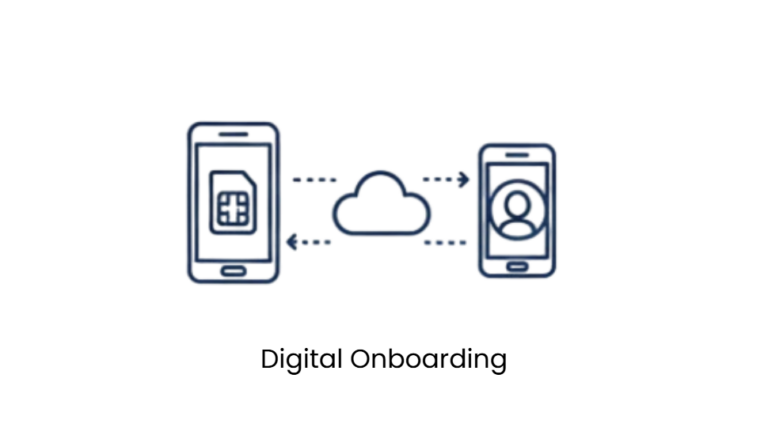
Design around three capabilities: remote provisioning, profile orchestration, and secure credential storage. eSIM allows you to push carrier profiles remotely, while a management platform handles subscription states and scheduling of OTA updates. Include device-side safeguards: atomic update steps, rollback on failure, and a heartbeat to validate cellular connectivity. These measures reduce truck rolls and let operations scale. Use industry terms in specs—eSIM, OTA provisioning, and carrier profile—so carriers and integrators align fast.
Real deployment lessons — a Hanoi pilot
We ran a public transport pilot in Hanoi where intermittent connectivity halted fleet updates. After introducing centralized subscription management and automated OTA provisioning, update success rose sharply. The local team could swap carrier profiles during peak congestion without visiting vehicles. The result: fewer manual interventions and a smoother passenger experience. Small wins like these compound when rolled across thousands of devices.
Common implementation mistakes to avoid
Teams often repeat three mistakes. First, assuming every device firmware can accept OTA jobs reliably—test across models. Second, letting subscription status drift without periodic reconciliation—schedule audits. Third, relying on a single carrier plan for all geographies—diversify profiles. Make clear rollback plans and validation steps before mass updates — a staged rollout avoids fleet-wide outages.
Alternatives and when to pick them
If eSIM-based provisioning is not yet possible, fall back to remote management through device gateways and VPN tunnels, but accept longer recovery times. Hybrid models work: combine embedded eSIM for mobile units and physical SIMs for fixed assets with stable networks. Choosing between options depends on scale, mobility, and regulatory constraints; document those criteria in procurement so teams buy the right licenses and tools up front.
Operational checklist to keep systems running
Use this short checklist when standing up or auditing an IoT deployment:- Verify OTA provisioning across representative device models.- Automate subscription reconciliation daily.- Maintain encrypted credential stores and role-based access for profile changes.- Stage updates with canary fleets before full rollout.A tidy operations playbook reduces panic — and makes it simple to train field technicians.
Three golden rules for selecting solutions
1) Measure recovery time objective (RTO) and compare platforms on real rollback performance rather than theoretical uptime. 2) Prioritise platforms that integrate carrier profile lifecycle with analytics—visibility speeds resolution. 3) Check compliance with local telecom rules and confirm vendor support for staged OTA rollouts across regions. These rules give clear, comparable criteria when you evaluate vendors.
Good tools and tight processes turn connectivity from a constant risk into a managed asset — which is precisely where a robust eSIM-led approach shines for commercial IoT. BHDC helps make that transition practical, anchored in field-proven workflows and solid subscription management — simple, effective, and ready for scale. –