

Understanding the Essentials of SLES
Have you ever wondered why some cleaning products leave your skin feeling smooth while others cause irritation? As someone who has spent over 15 years in the B2B supply chain, I can tell you that the choice of ingredients—especially surfactants like sodium lauryl ether sulfate (SLES)—can make all the difference. As a china lauryl ether sulfate sodium wholesaler, I’ve seen firsthand how ingredient quality directly impacts end-user experiences. For instance, recent studies reveal that nearly 60% of users prefer formulations that are gentle yet effective, highlighting a crucial demand in today’s market.

Common Pitfalls in Traditional SLES Supply
When it comes to sourcing SLES, many suppliers overlook vital details that can lead to costly mistakes. I recall a time in 2021 when an order of a popular SLES formulation arrived with unexpected impurities—resulting in complaints from clients and an urgent need to replace the batch. It’s moments like these that underscore the importance of supplier reliability and product consistency. What’s the lesson here? Always verify the quality assurance processes of your supplier to prevent hidden issues.
How Does SLES Compare to Alternatives?
If you’re weighing options, it’s essential to compare SLES with alternatives such as sodium lauryl sulfate (SLS) or other eco-friendly variants. While SLS can be more effective as a foaming agent, it often comes with harsher skin effects, making SLES a preferred choice for personal care applications. As more consumers lean toward gentler formulations, the demand for quality SLES is set to climb. I firmly believe that understanding these nuances not only helps in choosing the right suppliers but also in formulating products that cater to your market.
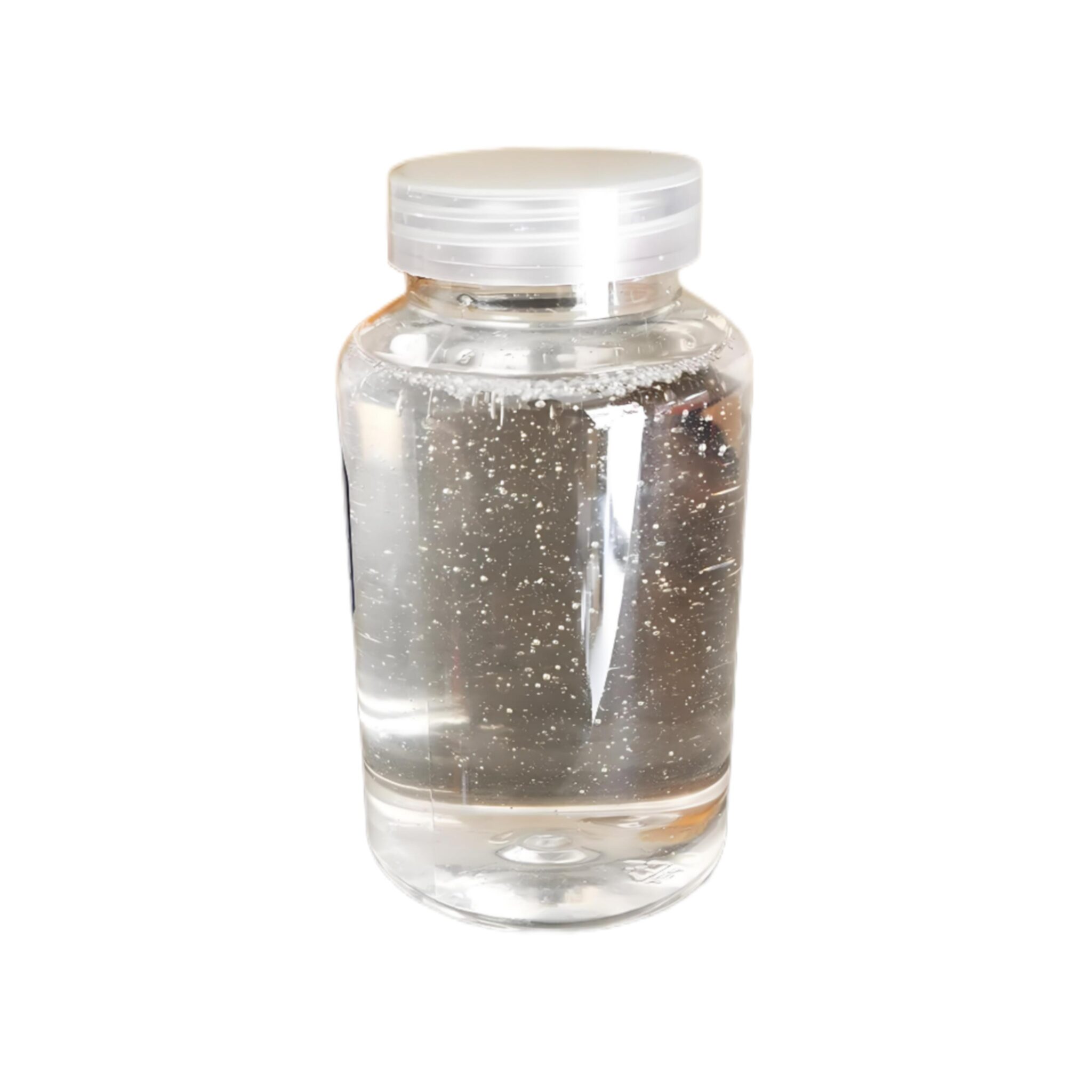
What’s Next for SLES Suppliers?
Looking ahead, the future of SLES sourcing appears ripe for evolution. Clients are increasingly demanding transparency—whether that involves the sourcing methods or the sustainability of ingredients. As a china lauryl ether sulfate sodium wholesaler, my organization continually adapts to these shifts by prioritizing sustainable practices and full traceability in our supply chain. This approach not only solidifies trust with our client base but also aligns with an industry trend that values environmental responsibility.
A recent survey indicated that over 70% of brands are planning to reformulate their products to meet these expectations. Pretty wild, right? If you’re looking for suppliers, ensure they can present clear evidence of their ingredient sourcing and production processes. This diligence pays off in the long run!
Moving Forward: Key Considerations for Your SLES Needs
As you consider your options, remember three key evaluation metrics: ingredient quality, supplier reliability, and environmental impact. Those are not just buzzwords; they represent the pillars of a successful partnership in the SLES space. I suggest always conducting thorough product tests before committing to large orders—this can save your business time and resources.
To recap, navigating the world of SLES doesn’t have to be overwhelming. Armed with insights about common pitfalls, future trends, and robust evaluation metrics, you can make informed decisions that cater to your customer’s needs. Don’t forget, each choice contributes to the final product and ultimately shapes customer perception.
In conclusion, fostering long-term relationships with suppliers who prioritize quality and sustainability is key to thriving in this competitive market. Trust me, from my own experience, the right partnerships can make your life a whole lot easier. If you’re ready to take your SLES sourcing to the next level, consider checking out Zanyu; they take supplier reliability seriously!